





FAQ - Polymeric Jointing Sand
what is polymeric sand?
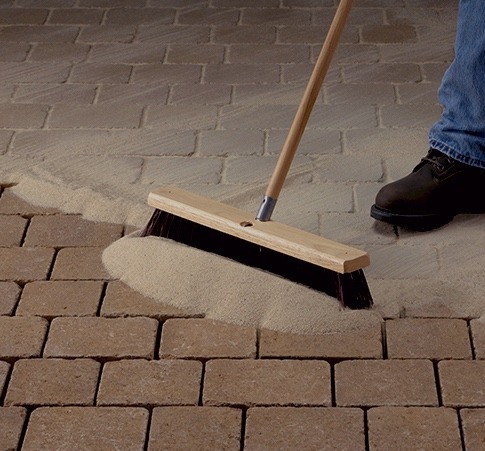
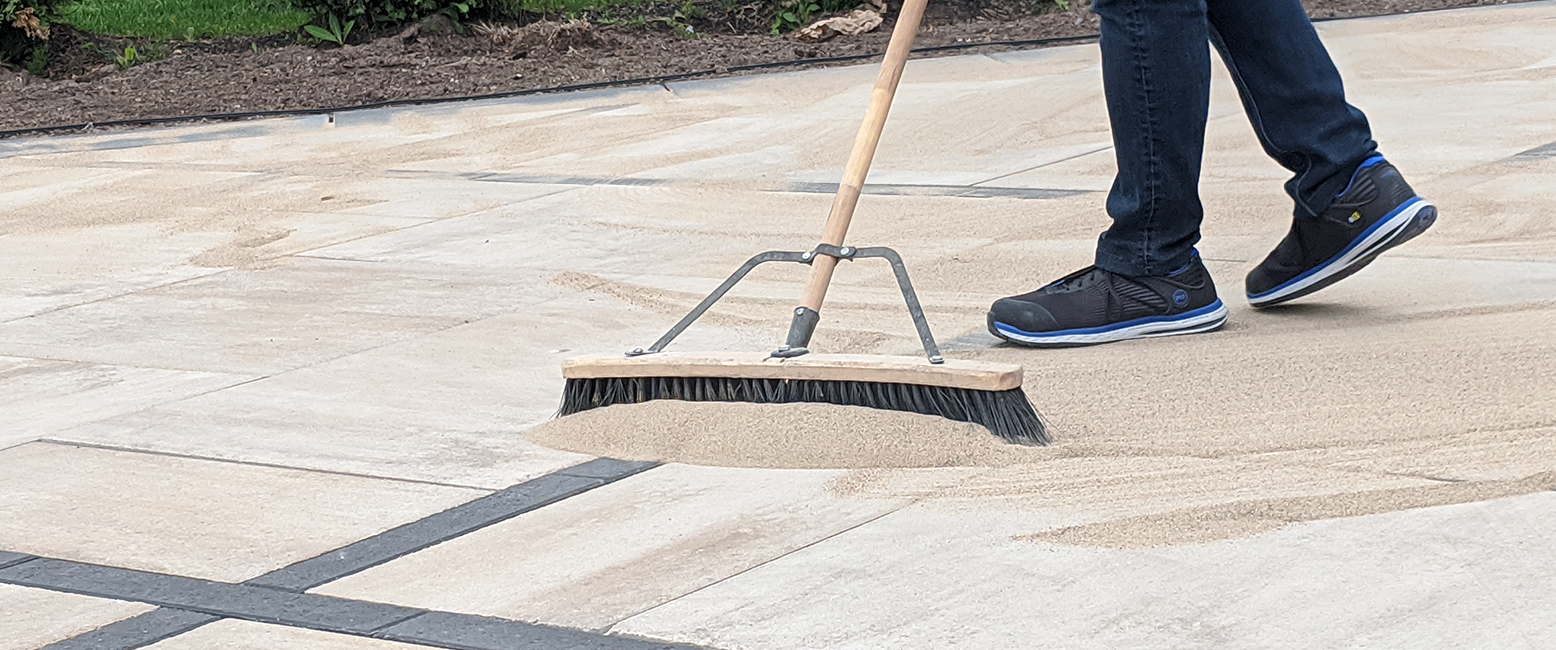
Polymeric sand is a mixture of fine sands and small additive particles called "polymers". It is used to obtain firm and durable joints when installing pavement materials such as concrete pavers and slabs, natural stone, and porcelain tiles.
in jointing sands, what are polymers and what purpose do they serve?
Polymers are small additive particles that are mixed with sand grains during the manufacturing of polymeric jointing sand. When exposed to water or moisture, these are activated and act as a powerful binding agent that provides firm and highly-resistant joints to hardscape installations.
when did polymeric sand first become available?
Techniseal was the first manufacturer to offer polymeric sand technology at the turn of the 2000s.
More than 20 years after the launch of its first jointing sand, Techniseal still remains the best-known and most trusted manufacturer in the industry.
what are the main advantages of polymeric sand?
The use of polymeric sand for concrete paver installations has several advantages, including:
- Optimal joint stabilization
- Avoids weed growth and ant infestation
- Added resistance against natural erosion
- Quick & simple application
- A more aesthetic appearance of paver joints
how long does it take after the last rain to install polymer sand?
In general, it is recommended to wait at least 24 hours after any significant rainfall to proceed with the installation of polymeric sand. Understandably, it is not recommended to lay jointing sand in the rain, or when precipitation are expected in the hours following your work.
how long after installing polymeric sand can pavers be sealed?
Traditionally, concrete paver manufacturers have recommended waiting at least 90 days after polymeric sand installation to apply a protective sealant to a paver surface. Nowadays, a 30 day delay is sufficient to allow the evaporation of any remaining natural efflorescence contained in the pavers. Just remember that thorough cleaning and proper surface preparation should always precede the application of any protective sealant.
how do I know if my polymeric sand has been sufficiently wetted ?
Proper wetting of the polymeric sand is essential for optimal stabilization of paver joints. To ensure that this important step is done right, we recommend that you generously water the sand until a thin whitish layer starts emanating from the paver joints. You can then stop watering this section of the surface and move on to the next one.
STILL GOT QUESTIONS ABOUT POLYMERIC SAND?
Our technical support team is there to give you all the answers!
Simply reach out to them by dialing 1 800 465 7325 or by sending them an email at service@techniseal.com
You can also fill-out our website contact form.